Spain are FIFA World Cup 2026 champions. The sentence still sounds electric weeks after the final whistle in New Jersey. La Roja beat defending champions Argentina 1-0 after extra time on 19 July 2026. Ferran Torres scored the only goal in the 106th minute at MetLife Stadium. The first 48-team World Cup therefore ended with a second Spanish star on the shirt. Luis de la Fuente’s side never trailed in the tournament. They conceded just one goal across eight matches. That defensive record is the stingiest for a champion in the expanded format. Spain also arrived as European champions after Euro 2024. The double now sits beside the 2008 to 2010 golden generation. Crowds in Madrid, Barcelona, Bilbao, Seville, and Valencia spilled into streets. Flags covered balconies from Galicia to the Canary Islands. Argentine supporters left with pride despite a painful ending. Lionel Messi’s likely last World Cup finished without a second global crown. Football history will remember a final of control versus resistance. Spain passed Argentina off the park for long stretches. Emiliano Martinez still nearly stole extra time with twelve saves. Destiny arrived when Pedro Porro crossed and Nico Williams nodded down. Torres smashed the ball into the roof of the net. The stadium shook under red shirts and yellow scarves. Commentators called it a deserved title after a month of patient excellence. Neutral fans praised a team that refused to panic. Youth and experience shared the same dressing room without friction. Lamine Yamal, Pedri, and Nico Williams carried attacking fearlessness. Rodri organized midfield traffic with calm authority. Unai Simon commanded his box with veteran timing. Pau Cubarsi grew into knockout football in public view. De la Fuente, at 65, became the oldest coach to win the men’s World Cup. Spain are the first nation to hold the men’s and women’s World Cup trophies at once. That dual crown is a federation story as much as a squad story. The 2026 tournament set attendance records across Canada, Mexico, and the United States. More than 6.8 million fans filled sixteen stadiums. Three hundred and eight goals lit a 39-day festival. Spain’s method was not the loudest, yet it was the most repeatable. Possession, pressing triggers, and set-piece patience wore opponents down. The final asked whether beauty could survive a champion’s last stand. Spain answered with one late, ruthless strike.
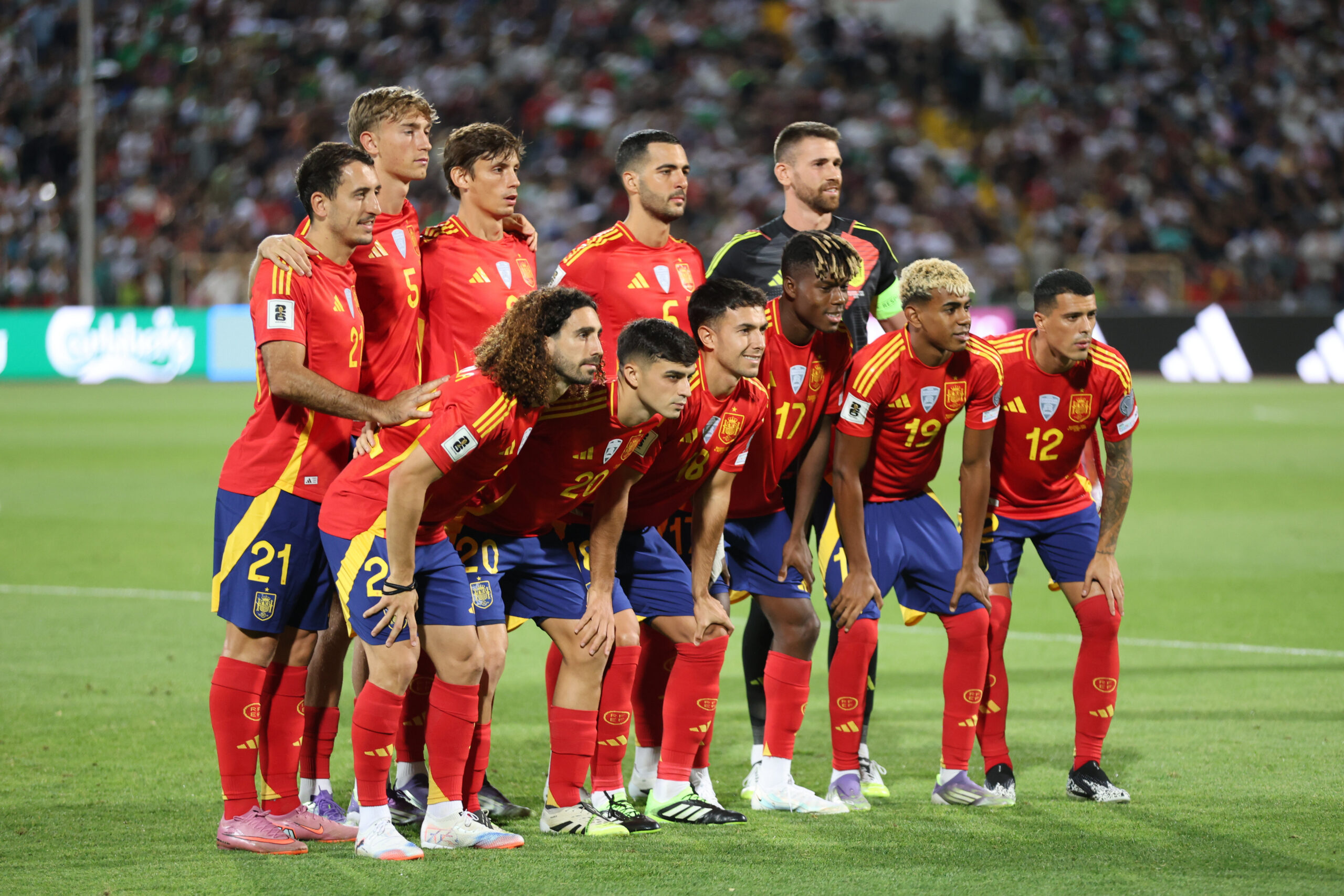
The road to New Jersey began with a goalless opening draw against Cape Verde. Critics immediately questioned whether Spain could break compact blocks. The players treated that night as information rather than humiliation. Subsequent group matches restored rhythm and scoring variety. Yamal stretched fullbacks until help arrived too late. Williams attacked the opposite channel with direct speed. Pedri connected lines with passes that looked simple and were not. Fabián Ruiz and Martín Zubimendi rotated responsibility without losing structure. Mikel Merino offered late-box arrivals that defenders hate. Mikel Oyarzabal’s movement created pockets for cutbacks. Dani Olmo remained a tactical wildcard between the lines. Robin Le Normand and Aymeric Laporte handled aerial traffic. Marc Cucurella and Pedro Porro gave width without abandoning rest defense. Nacho’s leadership still echoed even when minutes were managed. Jesús Navas represented a living bridge to 2010 for younger teammates. The knockout rounds raised intensity and reduced margin for error. Spain beat dangerous opponents without abandoning identity. They pressed in coordinated waves rather than individual sprints. When the press was beaten, recovery runs still arrived. Unai Simon’s distribution shortened transitions into attacks. Rodri’s interceptions restarted attacks before opponents could breathe. The semi-final against France tested nerve more than style. France brought athletic power and tournament pedigree. Spain answered with positional discipline and fearless youth. Ferran Torres waited for his moment as a high-impact substitute. Cubarsi’s composure against elite attackers earned the Young Player award conversation early. Rodri later collected the adidas Golden Ball. Simon received the adidas Golden Glove. Cubarsi took the Young Player Award presented by Aramco. Individual prizes confirmed what match footage already showed. Spain were the most coherent team across a month. They were rarely spectacular for ninety straight minutes. They were almost always harder to beat than they looked. That is champion football in a 104-match tournament. Depth mattered because calendars were brutal. Rotation never looked like surrender. De la Fuente trusted roles more than celebrity. Players accepted minutes because the project felt shared. Staff nutrition and recovery plans kept legs alive into extra time. Video analysts mapped opponent rest-defense weaknesses nightly. Set-piece coaches prepared Porro’s far-post delivery long before the final. Small details accumulated until they became a title.
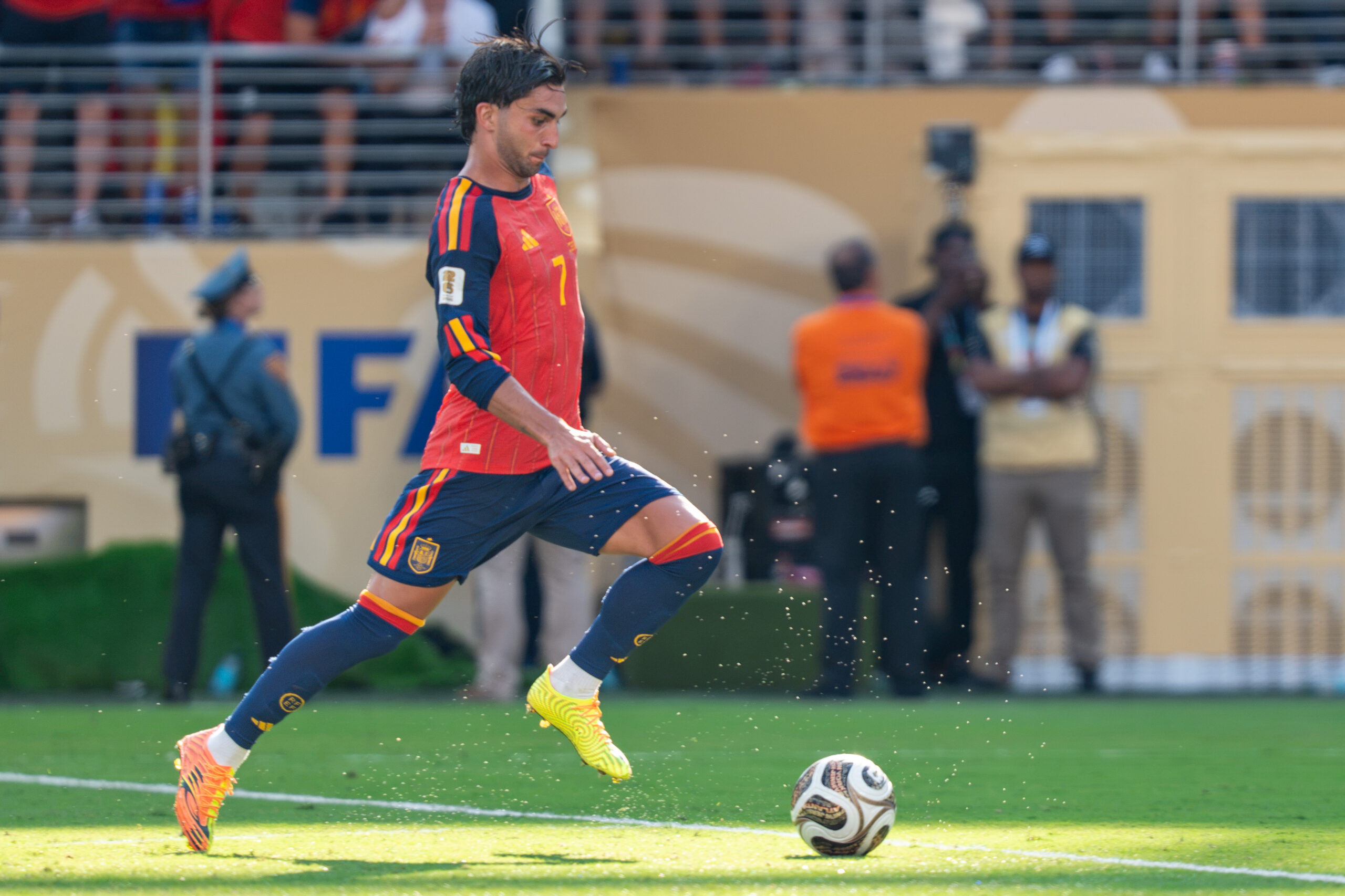
The final itself was a study in frustration and faith. Argentina defended the world crown with pride and tactical fouls. Enzo Fernandez was sent off near the end of normal time after a second yellow. Spain still could not score before the extra-time whistle. Martinez blocked headers, low drives, and crowded rebounds. Williams had a goal disallowed. Torres had another ruled out. Merino put a chance wide. The pattern felt cruel until it felt inevitable. Porro’s lofted cross in the 106th minute finally broke the lock. Williams’ header was not a finish but a gift. Torres, on for Oyarzabal since the 62nd minute, attacked the bounce. His first-time shot left Martinez without a miracle. Spain had taken about twenty shots by then. Argentina finished without a shot on target across 120 minutes. That statistic will travel through coaching courses for years. It does not erase Argentina’s tournament dignity. It does explain why Spain lifted the trophy. Late Argentine raids asked one more question of Spanish legs. La Roja held the box and cleared their lines. The whistle released a generation that grew up in 2010’s shadow. Iniesta’s Johannesburg goal now has a North American cousin. Torres is not Iniesta, and he does not need to be. He is the finisher this squad required on the biggest night. Barcelona supporters celebrated a club player writing national history. Valencia and the wider Spanish diaspora claimed him too. Messi left the pitch with applause that mixed love and farewell. Greatness does not always get a fairy-tale last chapter. Spain’s chapter is now a second World Cup star. The squad sang in the dressing room and on the bus. Families waited at hotels with flags and exhausted smiles. Federation officials already spoke about legacy rather than luck. Luck was present, because football always needs it. Structure made luck useful. Without structure, extra time would have belonged to chaos. Spain made extra time belong to their patterns. That is why the goal felt written, as Torres later said. He credited 47 million people, not only the eleven on the field. Distance from home made the emotion sharper. The team tried to play as if the whole country were in the stands.
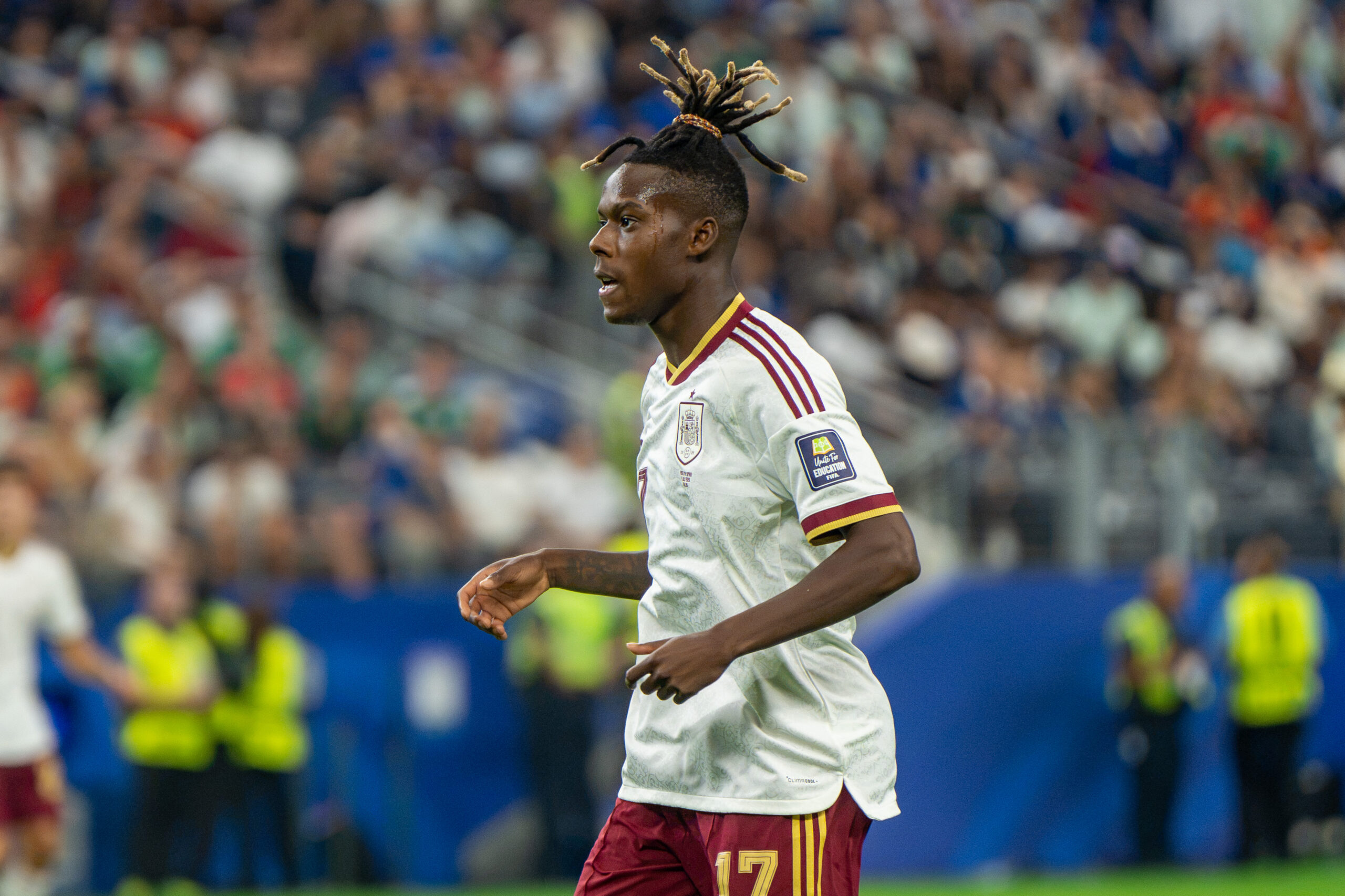
What does this title mean for Spanish football’s next decade? It validates a production line that kept delivering after the Xavi-Iniesta era. La Masia, Athletic’s academy, Real Sociedad’s youth, and other nurseries all fed the squad. Identity survived club rivalries because the national idea was bigger. Youth players now have living proof that patience plus courage wins tournaments. Coaches across Europe will copy Spain’s rest-defense distances. They will also fail if they copy shapes without culture. Culture here meant humility in rotation and arrogance in the final third. Yamal’s fearlessness became contagious without becoming chaotic. Williams’ directness punished teams that sat too deep. Pedri’s tempo control prevented games from becoming track meets. Rodri’s presence allowed others to gamble. When Rodri sat, Zubimendi showed the system was not a one-man trick. Goalkeeping competition between Simon and others kept standards high. Fullbacks were attackers and the first pressing line. Center backs played out even when Argentina hunted. That bravery is a choice, not an accident. Spain chose it for eight matches and were rewarded. The expanded World Cup punished teams that peaked for one night only. Spain peaked as a process. They can lose future friendlies and still keep this monument. Historians will compare 2010 and 2026 without needing a winner between them. 2010 was tiki-taka’s global coronation. 2026 is a more vertical, youth-charged evolution of the same family. Both trophies belong on the same shelf. Fans should enjoy the present before the next qualification cycle begins. Rivals will study Spain on video until the pictures blur. That is the tax of being champion. It is a tax worth paying. Street football in Spain will add new imitation games this autumn. Children will pretend to be Torres for a week and Yamal for a month. Some will become Pedri without knowing the name yet. That is how sporting cultures reproduce themselves. The 2026 champions did not only win a cup. They handed a map to the next generation.
So Spain are world champions again, and the argument is no longer theoretical. The scoreboard in New Jersey is the simplest proof. Extra time, one goal, zero concessions on the night. A tournament of control ended with a striker’s instinct. Ferran Torres wrote his name into Spanish immortality. Nico Williams and Pedro Porro authored the assist chain. Unai Simon and the back line authored the silence in Argentina’s attack. Rodri authored the midfield story that judges love. De la Fuente authored the calm that kept a long tournament coherent. The federation authored a pathway that made all of that possible. Canada, Mexico, and the United States authored a spectacle worthy of a final like this. Football itself authored another reminder that patience can still beat romance. Argentina offered romance and a legend. Spain offered a plan and a finish. On 19 July 2026 the plan won. That is why La Roja wear two World Cup stars. That is why this summer belongs to Spain. Watch the final again when the noise fades. Count the passes, the recoveries, and the moment Torres struck. Then tell the next child who asks who won 2026. The answer is Spain, and the answer will remain Spain.
Stadium speakers still played Spanish anthems after midnight. Hotel lobbies filled with staff asking for shirts and photos. Airlines prepared extra flags for return flights to Madrid. Local councils announced open-top bus routes within hours. Sports newspapers printed special editions before dawn. Radio call-ins mixed tears with tactical lectures. Former 2010 winners sent public messages of pride. Iniesta’s generation recognized itself in a new body of work. Casillas’ old goalkeeping lessons still echoed in Simon’s catches. Xavi’s tempo philosophy still lived in Pedri’s hips. Villa’s penalty-box hunger found a cousin in Torres’ strike. Ramos’ leadership found a quieter heir in several voices. The new champions do not copy the old ones line by line. They inherit a standard and then rewrite the details. That rewrite is the true meaning of a second star. Opponents will press Spain higher next autumn. Spain will answer with the same courage or a new variation. Either way the trophy is already in the cabinet. Cabinets do not argue on television. They simply hold the metal that ended the argument. For one summer, Spain can enjoy the silence of proof. Then the cycle begins again, as it always does. Champions are hunted, and hunters become better. That hunt is football’s healthiest tradition. Spain earned the right to be hunted.
