Cristiano Ronaldo’s life? The question looks simple until the story stretches from a hillside island to every football capital on earth. Cristiano Ronaldo dos Santos Aveiro was born on 5 February 1985 in Funchal, Madeira. The house was modest and the family was large. His mother Maria Dolores cooked, cleaned, and held the household together. His father José Dinis Aveiro worked as a kit man and municipal gardener. Two older sisters and an older brother shared crowded rooms and scarce money. Football was not a luxury in that childhood. It was a language, a job interview, and a way out. Neighbours still tell stories of a thin boy who stayed on concrete pitches after dark. He hated losing even in street games with no referee. Coaches at Andorinha noticed balance, spring, and a stubborn first touch. Nacional then Sporting CP moved him from island football toward Lisbon’s academy lights. Homesickness hit hard when he left Madeira as a teenager. He cried, trained, and called home. A racing heart diagnosis briefly frightened the family before treatment restored his path. Sporting’s youth sides taught tactics that street football had never named. First-team minutes arrived before he was old enough to look fully grown. A friendly against Manchester United in 2003 changed the map of his life. Sir Alex Ferguson saw a winger who wanted the ball every second. The transfer to Old Trafford cost a then-huge fee for a teenager. England was colder, faster, and louder than Lisbon. Senior teammates tested him in training until the tricks became end product. Wayne Rooney, Ryan Giggs, and later a title-winning midfield raised his standards. Premier League defenders kicked him early and often. He answered by getting stronger instead of smaller. The 2006 and 2007 seasons turned promise into production. In 2008 he won the Premier League, the Champions League, and the Ballon d’Or. That treble of honors made Madeira famous far beyond tourism posters. United fans still argue that those years were the purest version of the player. Ronaldo himself has always said the next mountain mattered more than nostalgia.
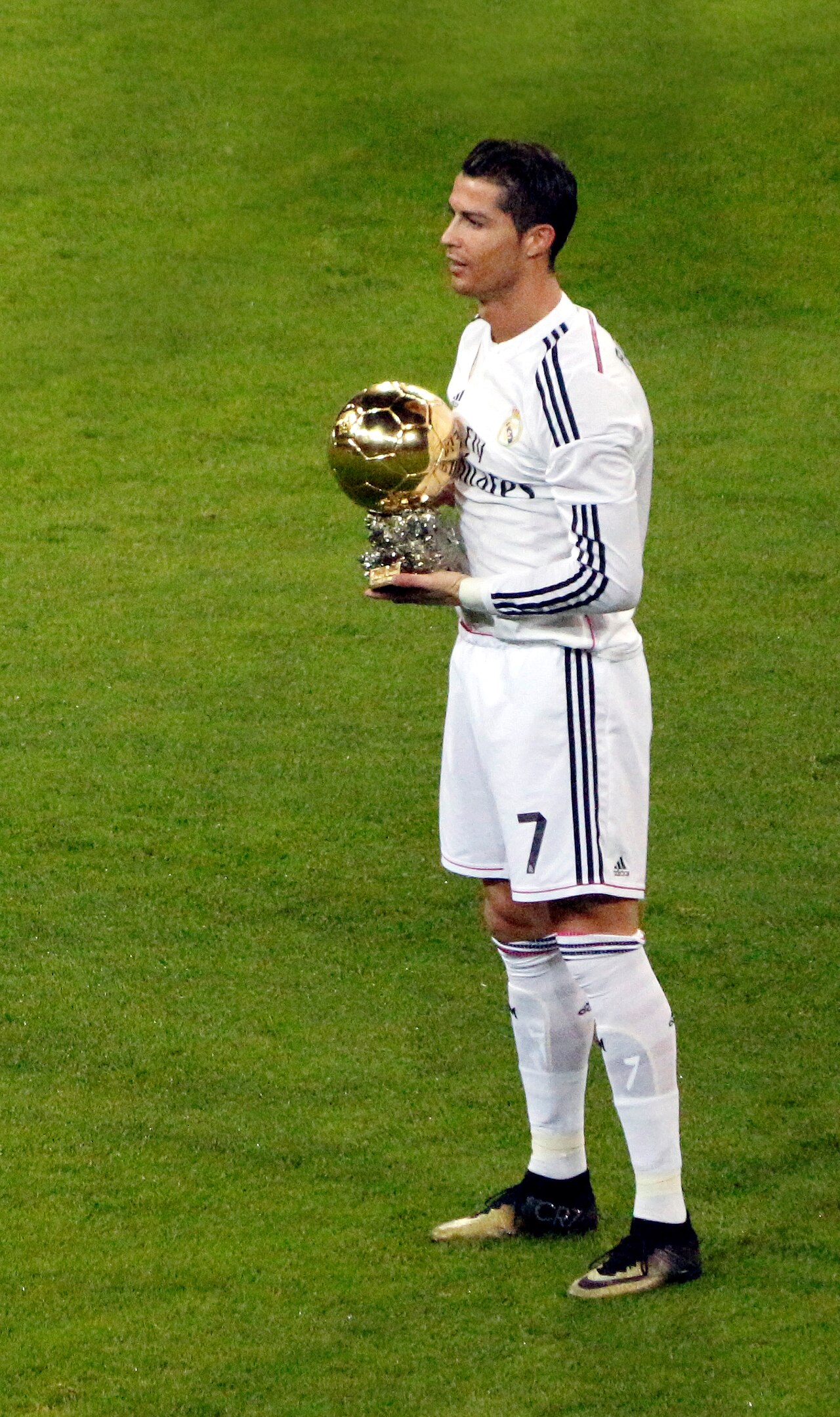
Real Madrid came calling in 2009 with a world-record transfer. The white shirt fitted a personality that wanted the biggest stage every week. Santiago Bernabéu crowds demanded goals, and he delivered them in industrial volume. He learned Spanish football’s rhythm without abandoning his sprint and leap. Four Champions League titles in five seasons from 2014 to 2018 built a European dynasty. He scored in finals that other forwards only watch on television. La Liga races against Barcelona became a private theatre with Lionel Messi. Their rivalry educated a generation about two valid paths to greatness. Ronaldo’s path was athletic, vertical, and obsessed with repetition. Gym sessions, sleep charts, and diet rules became part of the public myth. He changed from a tricky winger into a penalty-box hunter without losing aerial threat. Free kicks, penalties, and far-post headers filled highlight reels until they looked routine. Madrid teammates describe a competitor who hated even small-sided defeat in training. Coaches rotated around him because the dressing room already had a leader of appetite. Individual Ballon d’Or nights in Paris became almost seasonal. Five of those trophies sit at the centre of any honest life story. Critics said he needed the team more than the team needed him. The trophy cabinet answered more loudly than the arguments. He left Madrid in 2018 as the club’s all-time top scorer in the Champions League era that fans still measure. Juventus offered Serie A, a new league to conquer, and another test of pride. Italian defending taught patience and timing in tighter spaces. Two Scudetti arrived, yet Champions League nights in Turin never quite matched Madrid’s roar. In 2021 he returned to Manchester United as a finished superstar rather than a developing winger. Old Trafford sang his name while the squad around him changed too often. Goals still came. A coherent title challenge did not. Saudi club Al Nassr then opened a new chapter in late 2022. The move expanded football’s commercial map as much as his own career. He kept scoring, kept training, and kept wearing number seven like a personal flag. Longevity became the plot twist that younger critics had not scheduled.
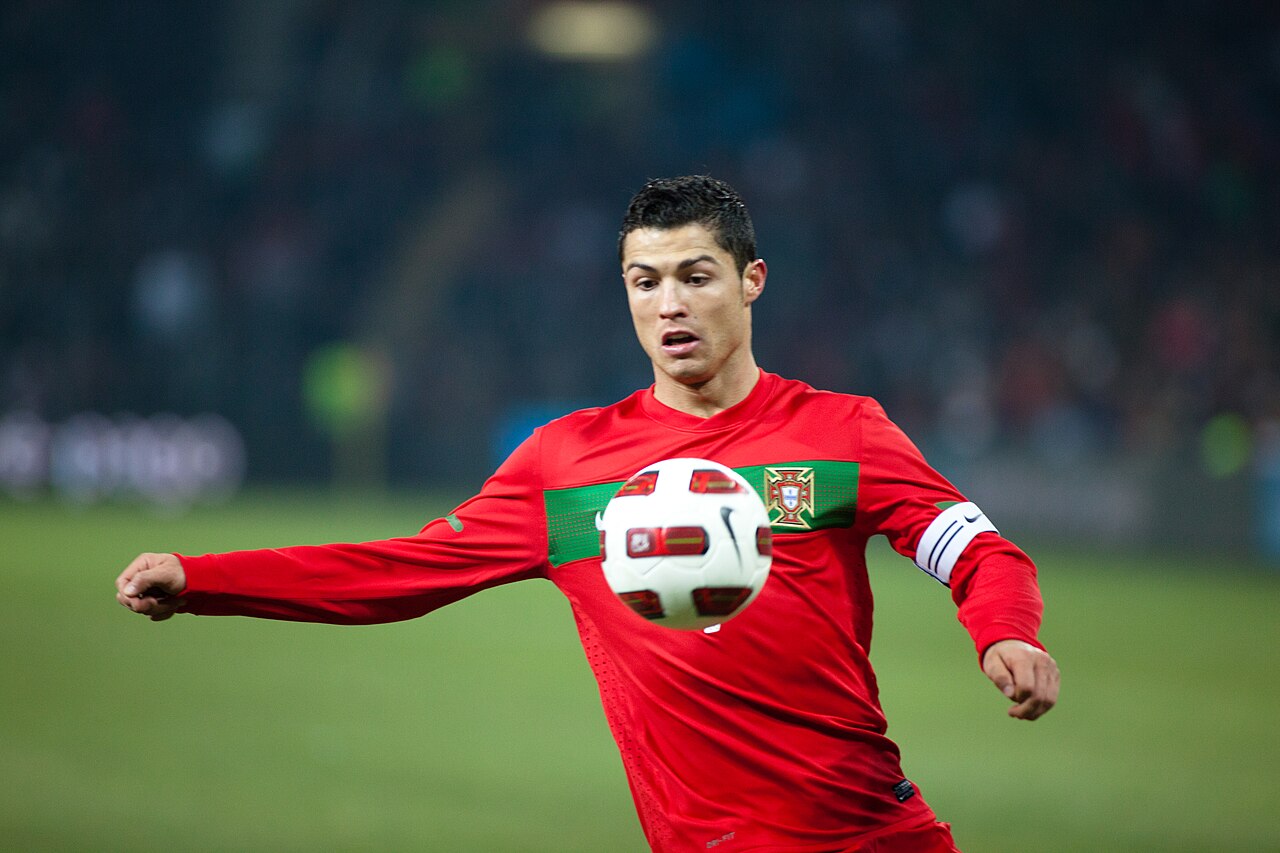
Portugal is the other half of the life, and perhaps the more emotional half. He debuted for the national team as a teenager and never really left the shirt. Early tournaments brought tears, red cards, and unfair headlines. Euro 2004 on home soil ended with a final defeat that still stings older fans. World Cups added near misses and a growing catalogue of international goals. Captaincy arrived as both honor and burden. Younger teammates found a standard that could feel heavy and necessary at once. Euro 2016 in France finally delivered the missing senior trophy. He left the final injured and watched Eder score from the bench area. That night in Paris turned private hunger into national catharsis. Streets in Lisbon and Funchal filled as if the island itself had scored. The UEFA Nations League later added another title to the same red shirt. He became men’s international football’s all-time leading scorer. Qualifiers against small nations still received his full sprint. Hat-tricks at an age when many forwards manage minutes became a signature. The famous ‘Siuu’ celebration travelled from stadiums into playgrounds and wedding dances. Children copy the jump before they can spell his full name. Coaches in every continent use his clips to teach timing of a run. Portugal’s identity in the modern era is inseparable from his face. That is not propaganda. It is attendance figures, shirt sales, and knockout nights. Family remained the quiet architecture behind the noise. His mother’s interviews reveal a son who still calls and still sends help home. The early death of his father left a wound he has discussed with unusual care. Fatherhood then multiplied the story. Cristiano Junior, twins Eva and Mateo, daughter Alana Martina, and later Bella Esmeralda made airports look like a traveling squad. Partner Georgina Rodríguez became part of the public household without erasing his ferocious privacy about training. The CR7 brand, hotels, gyms, and a museum in Funchal turned biography into a local economy. Madeira’s airport now carries his name. Island kids walk past that sign and treat the path as proven rather than mythical. Life, in this telling, is not only matches. It is the conversion of a poor childhood into a global institution that still laces boots.
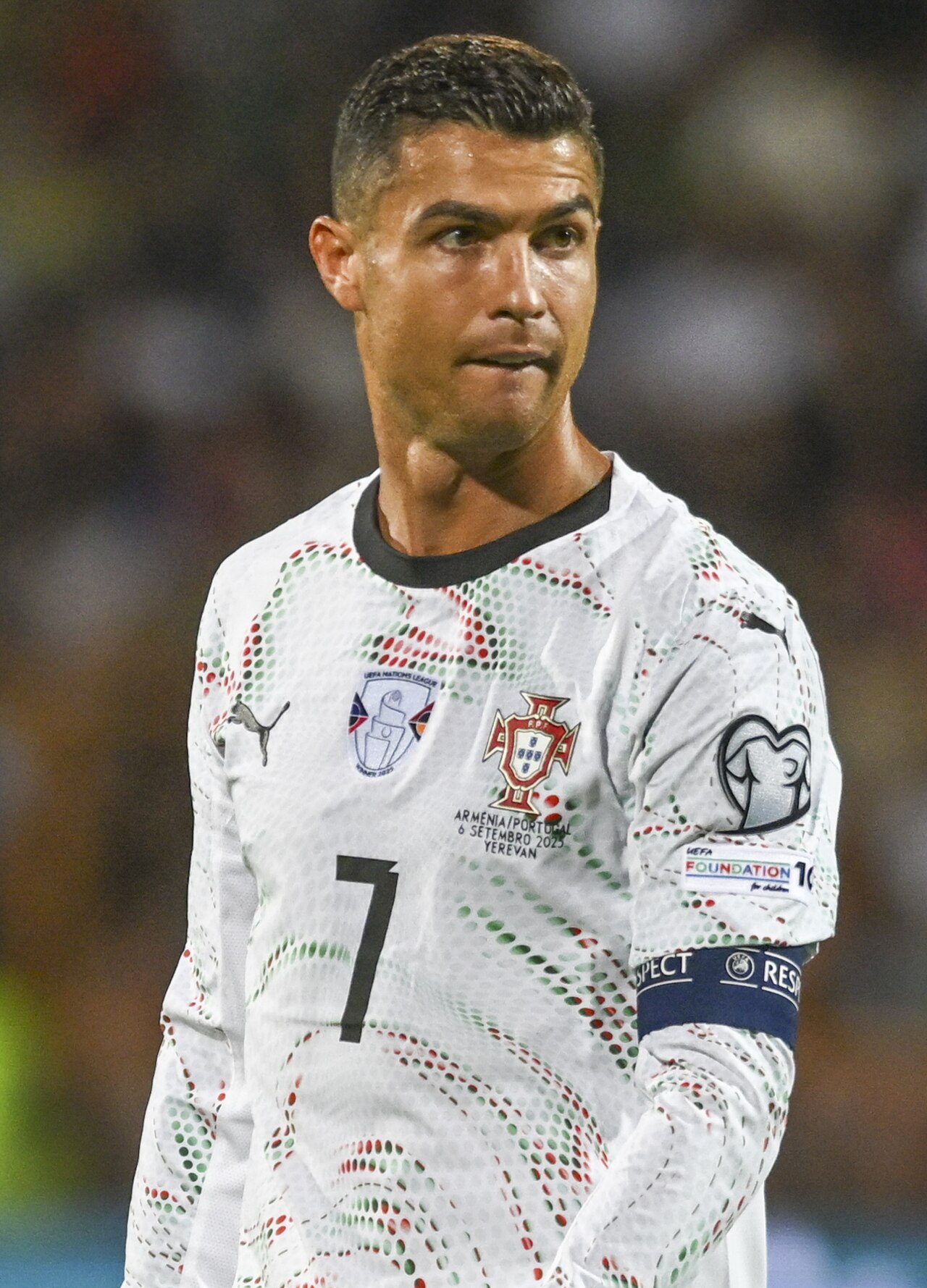
What does a life like this mean once the noise of transfer rumours fades? It means discipline outlived fashion. It means a body treated as a long project rather than a short firework. Sports scientists study his recovery habits because the data still looks unfair. Younger forwards copy the gym and miss the boredom that made the gym useful. He has been accused of ego, and sometimes the accusation fits a celebration or a glare. He has also been a teammate who demanded standards when standards slipped. Manchester, Madrid, Turin, and Riyadh all received the same appetite even when the leagues differed. Records accumulated until they required footnotes. Most career goals in elite senior football. Most international goals. Most Champions League goals. Most goals in a calendar year during the Madrid peak. Those numbers do not replace the eye test. They do explain why the eye test never quite dismissed him. Rival fans reduced him to a penalty merchant when they needed a joke. Neutral watchers remembered bicycle kicks in Rome and headers that hung in the air too long. The life also includes media storms, court headlines, and the cost of living without anonymity. Fame of this scale eats ordinary mornings. He answered by controlling routines until routines became armour. Sleep, protein, and sprint repeats look boring in a documentary and decisive on a Sunday. Charity work through his foundation and hospital donations in Madeira sit beside the brand machine. None of that erases debate about personality. Debate is part of the life now. Historians will not need to invent drama. The footage already contains enough. From Andorinha dust to Bernabéu floodlights, the arc is almost too clean to feel real. It was real because the work was daily. That is the least glamorous sentence in the story and the most important. Ronaldo’s life is a map of places, trophies, and stubborn mornings. Ask the question again after watching him train empty stadiums in his forties. The answer is not a single match. The answer is a childhood that refused to stay small.
So what is Cristiano Ronaldo’s life when the highlights stop? It is Madeira, Lisbon, Manchester, Madrid, Turin, and Riyadh in one continuous climb. It is a son, a brother, a father, and a captain who treated losing as a personal insult. It is five Ballons d’Or and a Portugal shirt that became a second skin. It is the jump, the stare, the extra sprint after the whistle. It is also hotels, museums, and an airport that tell children the island can produce the world. Critics will keep arguing about ranking. Supporters will keep pointing at the scoreboard of decades. Both groups are reacting to the same unusual fact. Few athletes stay elite long enough for a life story to need this many chapters. Ronaldo did. That is why the question still matters. That is why new fans still type his name into a search bar. Watch the Portugal captain’s armband in a qualifier. Watch the Madrid years when the Ballon d’Or seemed annual. Watch the skinny Sporting winger who would not stop asking for the ball. Then the life stops being a rumour and becomes a record. The record is still being written every time he lines up at number seven. For football people, that is the definition of a life that refused an ending. Cristiano Ronaldo’s life is work, hunger, and a boy from Funchal who made the planet learn his name.
Early mornings in Funchal still shape how he talks about hunger. He has said that talent without work is a wasted ticket. Youth coaches remember a boy who asked for extra finishing after practice. Lisbon winters taught him that homesickness can be trained through. United’s dressing room jokes became fuel rather than wounds. Madrid’s press conferences showed a man who enjoyed the spotlight’s pressure. Juventus ultras wanted European nights and received domestic steel. Saudi stadiums learned the same celebration that Old Trafford knew. Portugal’s anthem still appears to reset his face before kickoff. He points to the sky after certain goals as a private conversation. Kit men in four countries tell similar stories about extra boots and extra sprints. Physios describe a patient who treats small pains before they become headlines. Dietitians became part of the travelling staff long before it was fashionable. Sleep science entered the hotel list the way tactics entered the meeting room. He studies opponents’ weak-side fullbacks the night before a match. Set-piece meetings are not optional in his personal checklist. Young wingers copy the stepover and forget the recovery run that followed it. Captains in youth football now use his clips as a behaviour standard. Madeira tourism offices know that his name moves flights. The museum in Funchal is a biography you can walk through. Shirts from Sporting, United, Madrid, Juventus, and Al Nassr hang like chapters. Each chapter still ends with the same stubborn sentence: more. More goals, more sprints, more proof that age is a rumour he declines. Rivals respect the longevity even when they dislike the celebration. Neutral writers ran out of new adjectives and returned to the numbers. The numbers remain impolite to anyone who wanted an early ending. Life, for him, is the next session on the grass. The next session is why the question still has no short answer. Cristiano Ronaldo’s life is that session, repeated until history surrendered. History, for once, took notes. Stadium vendors in four countries still sell the same number seven. Commentators recycle the same amazed pause after late headers. Defenders still back off a half step when he shapes to cut inside. Goalkeepers study his standing foot and still guess wrong. Academy posters in Funchal use his face as a local weather report of possibility. Parents on the island point to the airport sign without needing a speech. His first touch as a child was already an argument with gravity. His last sprint in a match is still an argument with the clock. Clocks have lost that argument more often than expected. Expecting decline became a cottage industry that he kept bankrupting. Bankrupt predictions piled up beside the Ballons d’Or. The trophies do not speak, yet they settle many conversations. Conversations about him now include grandfathers and grandchildren in the same sentence. That shared sentence is rare in sport and rarer in celebrity. Celebrity never fully replaced the kit-man’s son from Madeira. The kit-man’s son still inspects the grass before kickoff. Grass, for him, remains the only office that counts. Offices of agents and sponsors orbit that grass without replacing it. Replacement was the rumour of every summer and the failure of every rumour. Failure of rumours is another way to spell longevity. Longevity is the quiet plot of Cristiano Ronaldo’s life. The loud plot is the jump. The true plot is the morning after the jump, when he trains again. Train again is the biography in two words.
