Football debates in 2026 rarely open with more heat than a single question about a teenager from Esplugues de Llobregat. Is Lamine Yamal the world’s best football player? The sentence alone sounds exaggerated until you inspect what he has already done before his twentieth birthday. Barcelona supporters argue that only generational talents rewrite club history this early. Critics reply that greatness requires a decade of sustained dominance, not two spectacular seasons. Social media amplifies both camps every matchday. Yamal’s name now sits beside legends in trending topics after every La Liga weekend. Pundits on television panels pause when his highlights appear because the footage often ends debates before they start. He dribbles with a low center of gravity that recalls iconic wingers, yet his decision-making looks modern and direct. Coaches describe him as a player who understands space earlier than defenders can close it. Teammates trust him with the last pass in tight Champions League moments. Opponents assign two markers and still fail to neutralize him completely. The conversation is no longer about promise alone. It is about present-tense impact at the highest level. Media outlets in Spain, England, and Germany publish weekly features asking whether football has a new global reference point. Bookmakers shorten odds on individual awards whenever he scores or assists. Fantasy football managers select him regardless of fixture difficulty. Shirt sales at Camp Nou reflect a phenomenon that transcends local fandom. Young players copy his celebrations and training clips on short-form video platforms. Analysts chart his progressive carries and expected assists with the seriousness once reserved for established superstars. Still, the question deserves nuance rather than hype. Football history warns against crowning teenagers too soon. Injuries, tactical adjustments, and psychological pressure have derailed brilliant careers before. Yamal must navigate fame, expectation, and physical load while growing in public view. That context makes the debate richer, not simpler.
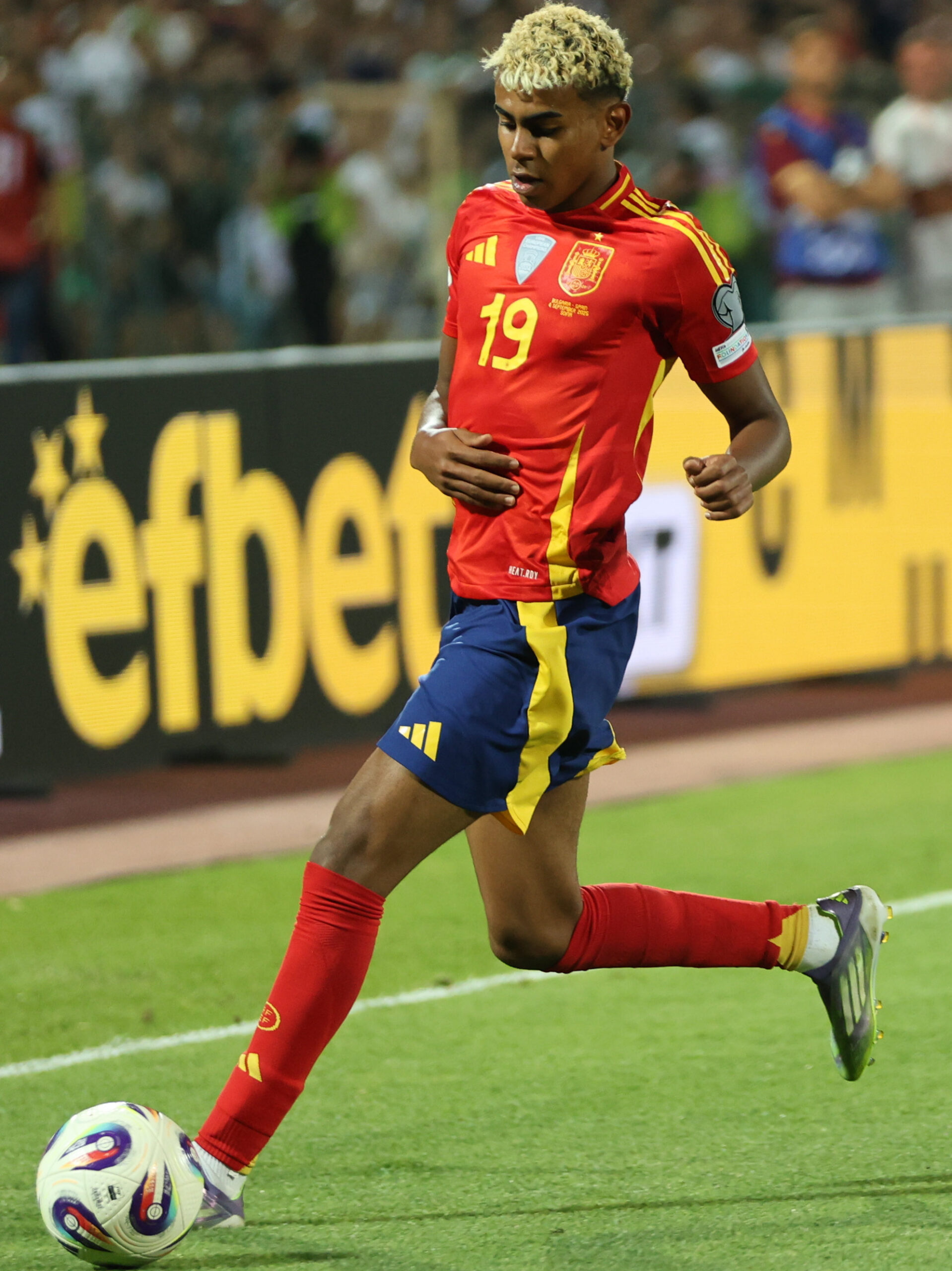
Lamine Yamal was born on 13 July 2007 in Esplugues de Llobregat, a municipality closely tied to Barcelona’s identity. His Moroccan and Equatorial Guinean heritage shaped a childhood immersed in multiple cultures. Family members supported his obsession with a ball at his feet from the earliest age. Street games with older children accelerated his learning curve dramatically. Scouts first noticed his balance and left foot when he was still small for his age group. La Masia opened its doors to a talent that coaches immediately labeled exceptional. The academy environment demanded discipline, education, and tactical literacy alongside technical work. Yamal absorbed lessons from youth coaches who stressed scanning before receiving possession. He watched recordings of previous Barcelona wingers but never attempted shallow imitation. Instead he developed a style rooted in quick acceleration and unpredictable cutbacks. Teammates in youth tournaments spoke about his calmness in one-on-one situations. Parents of rivals joked that marking him required a game plan of its own. Barcelona’s hierarchy protected him from excessive publicity during formative years. Sports psychologists monitored how early attention might affect development. Nutritionists and fitness staff designed programs suitable for a growing adolescent body. Teachers at La Masia ensured academic progress matched sporting ambition. Yamal learned Catalan and Spanish fluently while maintaining family languages at home. His father appeared in interviews emphasizing humility and hard work over headlines. The club’s legend of promoting homegrown stars added symbolic weight to every step upward. Comparison with Lionel Messi’s academy path became inevitable though club officials discouraged lazy narratives. Yamal himself repeated that he wanted to write his own story rather than inherit someone else’s myth. By fifteen he already trained with Barcelona’s first team in controlled sessions. Senior players praised his audacity without arrogance during small-sided drills. Flick, Xavi, and subsequent coaching staffs each highlighted his maturity in video meetings. The decision to integrate him early was not a marketing stunt but a footballing necessity. Barcelona needed dynamism on the right flank after seasons of structural change. Yamal represented hope born from the club’s traditional identity. His youth career ended faster than most because senior football arrived sooner than historical averages.
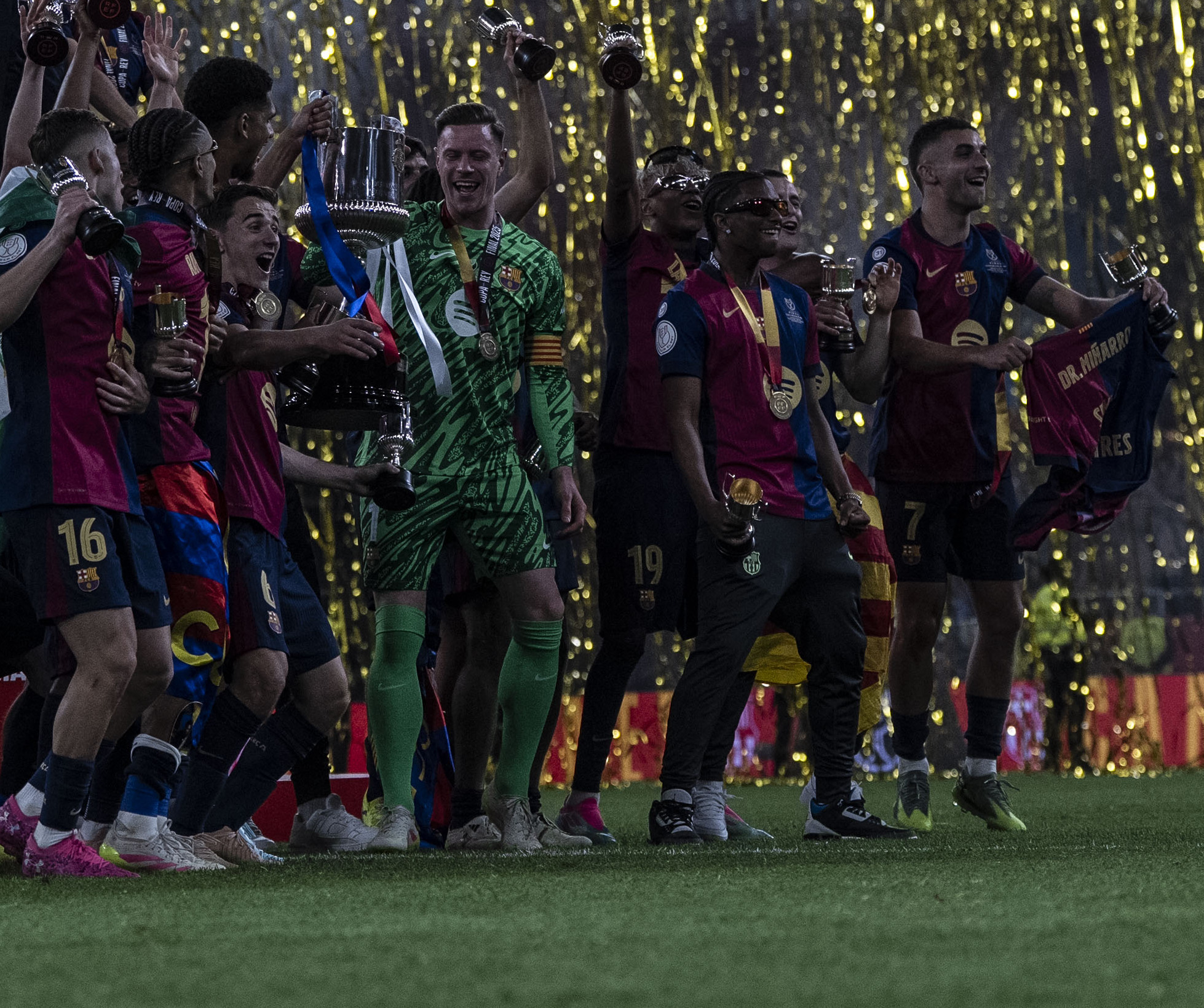
Barcelona’s first-team debut for Yamal felt less like a trial and more like an announcement. He entered matches without the nervous touches commonly seen in teenage debuts. La Liga defenders accustomed to physical battles found themselves wrong-footed by subtle shifts of pace. Assists arrived with passes that split lines defenders believed were closed. Goals followed from angles that made goalkeeper coaching staffs rewrite training exercises. Camp Nou roared not only for results but for the audacity of attempt. Yamal attempted skills in areas where older professionals would choose safety. That courage endeared him to a fanbase that values artistic expression on the pitch. Statistical models tracked his involvement in chance creation at rates comparable with elite veterans. Expected threat maps showed concentrated activity along the right touchline and half-space. Coaches adjusted team shape to maximize his ability to isolate fullbacks one against one. Double teams became standard, opening room for midfield runners and overlapping fullbacks. European nights introduced him to louder atmospheres and sharper tactical preparation. Champions League defenders tested him with physicality and delayed fouls. He responded by learning when to release the ball earlier under pressure. Media cycles intensified after performances against domestic rivals and continental opponents. Transfer rumors never gained traction because Barcelona secured long-term contractual commitment. Release clauses and renewal talks generated headlines yet his focus stayed on matches. Sports scientists monitored minutes to prevent overload during congested calendars. The club’s medical department structured recovery protocols for a still-developing athlete. Tactical analysts compared his heatmaps with established world-class wingers across leagues. Some metrics favored veterans with larger sample sizes; others showed Yamal ahead in key creative categories. Debates shifted from whether he belongs to how high his ceiling might reach. Barca’s league title push and European ambitions increasingly ran through his right boot. Teammates described dressing-room respect earned through consistency rather than hype. He accepted constructive criticism from senior leaders without defensive body language. The squad’s collective improvement coincided with his rising influence in final thirds. Opposition coaches publicly praised him even when disappointed by results. Referees managed foul frequency because excessive hacking threatened spectacle and safety. Television broadcasters built pre-match graphics around his matchup against specific fullbacks. Sponsors aligned campaigns with a face representing youth, skill, and global reach. Barcelona’s economic planning benefited from commercial growth tied to his image. Yet footballing evaluation remained the core of the world’s best player argument.
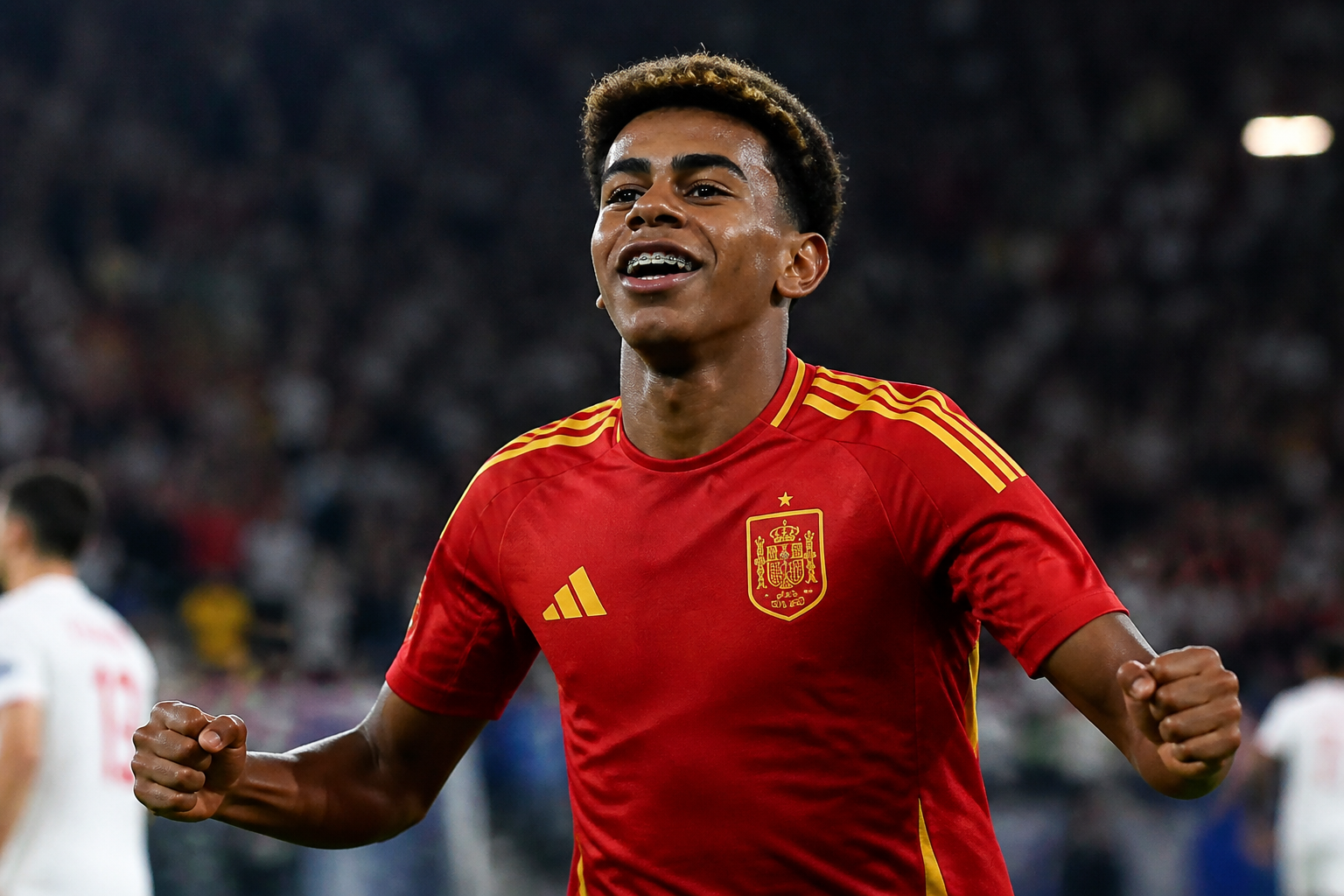
International football added another dimension to Yamal’s claim for global recognition. Spain’s national team staff integrated him into senior camps while he was still remarkably young. Euro 2024 became a tournament defined partly by his creativity and composure. He assisted decisive moments that shifted knockout narratives in his country’s favor. Crowds in Germany witnessed a teenager playing as if major stages were familiar territory. Luis de la Fuente’s system utilized his width to stretch compact defensive blocks. Yamal connected with midfielders who trusted his ability to beat the first defender consistently. Spain’s progression revived discussions about a new golden generation on the continent. Media in Madrid and Barcelona unified temporarily around a shared national asset. Critics who questioned club bias acknowledged his international performances independently. Youth records tumbled as caps and contributions accumulated faster than historical comparators. FIFA ranking conversations indirectly referenced his influence on match outcomes. World Cup qualifiers later tested his adaptability across altitudes and climates. South American and African opponents offered different athletic profiles than European league foes. He adjusted dribbling distance and passing tempo without disappearing from games. Spain’s coaching staff managed expectations while granting freedom in attacking zones. Cultural pride in Catalonia and broader Spain intersected around his success carefully. Political subtext occasionally appeared in celebrations though he generally focused on sport. Diaspora communities across Africa and Europe followed his matches with personal investment. Young migrants saw his story as proof that identity can be layered rather than narrowed. National team veterans accepted leadership gestures from someone decades younger. Dressing-room harmony mattered because individual brilliance alone never sustains tournament runs. Yamal’s humility in mixed zones after matches impressed journalists repeatedly. He credited family, coaches, and teammates before accepting individual praise. Spanish federation development programs cited his pathway in recruitment presentations. Rival nations began scouting La Masia graduates with renewed urgency. The international stage elevated the best-player debate beyond club loyalties. Performances with Spain forced neutral observers to update priors quickly. A winger who dominates club and country simultaneously enters rare historical company. Only a short list of players ever controlled both narratives at such a young age. That dual impact strengthens any argument placing him near the top of world football today.
Statistical comparison remains essential when asking if anyone is truly the world’s best. Traditional goal totals alone cannot capture Yamal’s primary value creation patterns. Assist counts partially reflect his vision but undervalue pre-assist progression. Advanced metrics highlight ball carries that move defenses horizontally and vertically. Open-play expected assists place him among elite creators despite fewer years of data. Defensive actions are not his role, yet pressing intensity improved under structured coaching plans. Heatmaps show consistent occupation of high-risk, high-reward zones wide and inside. Comparisons with Mbappé, Vinícius Jr., Bellingham, Haaland, and Messi-era benchmarks fill podcast hours weekly. Each comparison reveals different definitions of best: scorer, creator, winner, or icon. Mbappé offers explosive speed and finals experience across leagues. Vinícius dominates Champions League knockout narratives with Real Madrid. Bellingham combines midfield control with late-box arrival timing at Madrid as well. Haaland redefined center-forward efficiency with mechanical finishing volume. Yamal’s case rests on creative wing play plus youth-scale room for growth. Some analysts weight trophies heavily; others prioritize repeatable individual process metrics. Barcelona’s recent haul matters but still trails clubs with longer European dominance spans. La Liga quality debates persist when comparing outputs across leagues. Premier League advocates argue for higher defensive complexity week to week. Serie A and Bundesliga specialists raise similar league-adjustment concerns. International tournament performance partially offsets league-context arguments. Euro 2024 excellence gave Yamal credibility beyond domestic schedules. Ballon d’Or discourse now includes him in early speculative shortlists every year. Historical voters often reward sustained seasons over isolated brilliance bursts. Yamal’s camp understands that narrative management spans years, not months. Social engagement metrics influence modern award ecosystems more than purists admit. Highlight culture accelerates reputations but also invites backlash when form dips slightly. Objective observers recommend separating peak performance from career legacy prematurely. At his age, peak years likely still lie ahead if health cooperates. That forward-looking component distinguishes him from aging superstars maintaining greatness. The best-player label therefore mixes present output with projected future dominance. Honest evaluators acknowledge uncertainty while recognizing current exceptionalism. Football statistics communities publish interactive dashboards comparing his season curves. Eye-test loyalists insist that certain moments cannot be captured numerically. Both groups agree he belongs in conversations previously reserved for established icons. The disagreement is about rank, not relevance.
Arguments against declaring Yamal the world’s best player are substantial and deserve respect. Sample size remains limited relative to decade-long legends who defined eras. Two or three elite seasons cannot automatically surpass careers with multiple Ballon d’Or wins. Physical development continues; men’s football often sees tactical targeting increase after scouting reports circulate widely. Defenders will adapt with help schemes designed to force him inward onto crowded zones. Psychological pressure grows whenever media crowns a teenager as global number one. Social scrutiny extends to private life, friendships, and commercial decisions off the pitch. Injury risk rises with minutes played across club and international calendars simultaneously. Barcelona’s institutional stability historically influences individual award narratives more than fans admit. Periods without Champions League dominance weaken cases in voters’ minds historically. Competition from teammates and rivals could split recognition even if performances stay elite. Pedri, Gavi, and other Barca stars share creative responsibilities in evolving systems. Real Madrid’s roster construction targets long-term balance across positions and age profiles. Manchester City, Arsenal, Liverpool, and Bayern maintain squads with multiple world-class contributors. Saudi Pro League spending and MLS profile projects complicate global marketing maps indirectly. Some pundits argue that best-player status requires leadership through adversity and comeback arcs. Yamal has not yet faced a prolonged slump examined under microscopic criticism. Recovery from future setbacks will test mental resilience more than early success. Historical comparisons with Pelé, Maradona, Cruyff, Ronaldinho, and Messi set impossibly romantic bars. Modern football’s structure differs with more matches, travel, and media cycles than past eras. Direct era-transcendent comparisons therefore frustrate historians and entertainers alike. Defensive era quality also evolves with coaching education and athletic preparation globally. Goalkeepers now excel at sweeping and shot-stopping metrics previously unimaginable. Offside technology and VAR change how attackers time runs and finish chances. Contextual adjustments matter when translating numbers across generations fairly. Some critics prefer to label Yamal the best young player rather than best overall. That conservative framing avoids premature coronation while recognizing reality. Others insist he is already the most influential winger on earth today specifically. Influence and greatness overlap but are not identical semantic categories. Team success modifiers still affect public perception of individual supremacy. If Barcelona fails to win major trophies during his early peak, debates will intensify negatively. Conversely, a Champions League triumph would accelerate best-in-the-world declarations dramatically. The counterarguments do not erase his brilliance; they calibrate the language we use. Responsible journalism distinguishes between generational talent and completed legacy. Fans often skip that distinction because emotion drives sport consumption. Understanding both sides produces a richer answer than binary yes-or-no shouting online.
So is Lamine Yamal the world’s best football player right now? A precise answer depends on definitions more than loyalty. If best means most impactful creative winger in current form, his case is extremely strong. If best means most complete footballer across all positions and responsibilities, others still compete seriously. If best means greatest career achievement to date, veterans with trophy cabinets lead comfortably. If best means highest combination of age, potential, and present output, Yamal may stand alone. Football rarely offers unanimous crowns except in retrospect decades later. Real-time debates keep the sport emotionally alive for global audiences every week. Yamal benefits from playing in Barcelona’s philosophical home for wing artistry and possession. Spain’s international success adds credibility that club-only stars sometimes lack historically. His left foot, vision, and courage create highlight reels that travel across languages instantly. Coaches, teammates, opponents, and neutral analysts agree on his exceptional tier placement. Disagreement emerges mostly at the exact number one rank on subjective lists. That nuance should not diminish what he already represents for the game. He symbolizes the next wave of technically fluent, fearless attackers raised in digital age environments. Training methods, nutrition science, and cognitive coaching all shape this generation differently. Yamal embodies those advances while retaining street-game improvisation from childhood. Parents and academies worldwide study his pathway for lessons about patience and protection. Clubs reconsider media exposure policies for teenagers after observing his trajectory carefully. Federations note how dual-heritage identity can enrich national team cultures inclusively. Economically, his rise affects broadcasting interest in La Liga worldwide again noticeably. Philosophically, he reminds supporters why youth promotion remains romantic and strategically smart. Barcelona’s motto about more than a club intersects with his personal narrative naturally. Yet the future remains unwritten beyond every spectacular present performance. Sustaining excellence through injuries, tactics, and pressure will define ultimate historical rank. For today, placing him among the very best active players is conservative. Calling him the single best requires confidence some observers are ready to express publicly. Others prefer top-three language until additional seasons confirm consistency at summit level. Both perspectives can coexist without insulting football intelligence. What seems undeniable is that the question itself validates his achievement level already. Teenagers rarely force global best-player discussions unless something truly unusual appears. Yamal appears unusual even within the rarest talent categories football produces. Watchers should enjoy the journey without rushing final verdicts too early. History will judge with clarity that live debates intentionally lack by design. Until then, every match he plays adds evidence to an unfolding masterpiece argument. Camp Nou nights, La Liga roads, and international stages continue writing paragraphs of proof. Whether he is already number one or merely marching toward it fiercely, football wins. The sport gains a protagonist whose story connects artistry, identity, and ambition compellingly. That alone makes this question worth asking seriously rather than dismissively online. Lamine Yamal may or may not be the world’s best player today for you personally. He is unquestionably one of the defining footballers of this era’s opening chapter. The conversation will continue, and his left foot will keep answering on the pitch.
